2026-08-30 ·
How to Spot Outdated Wiring in Older Odessa Residences
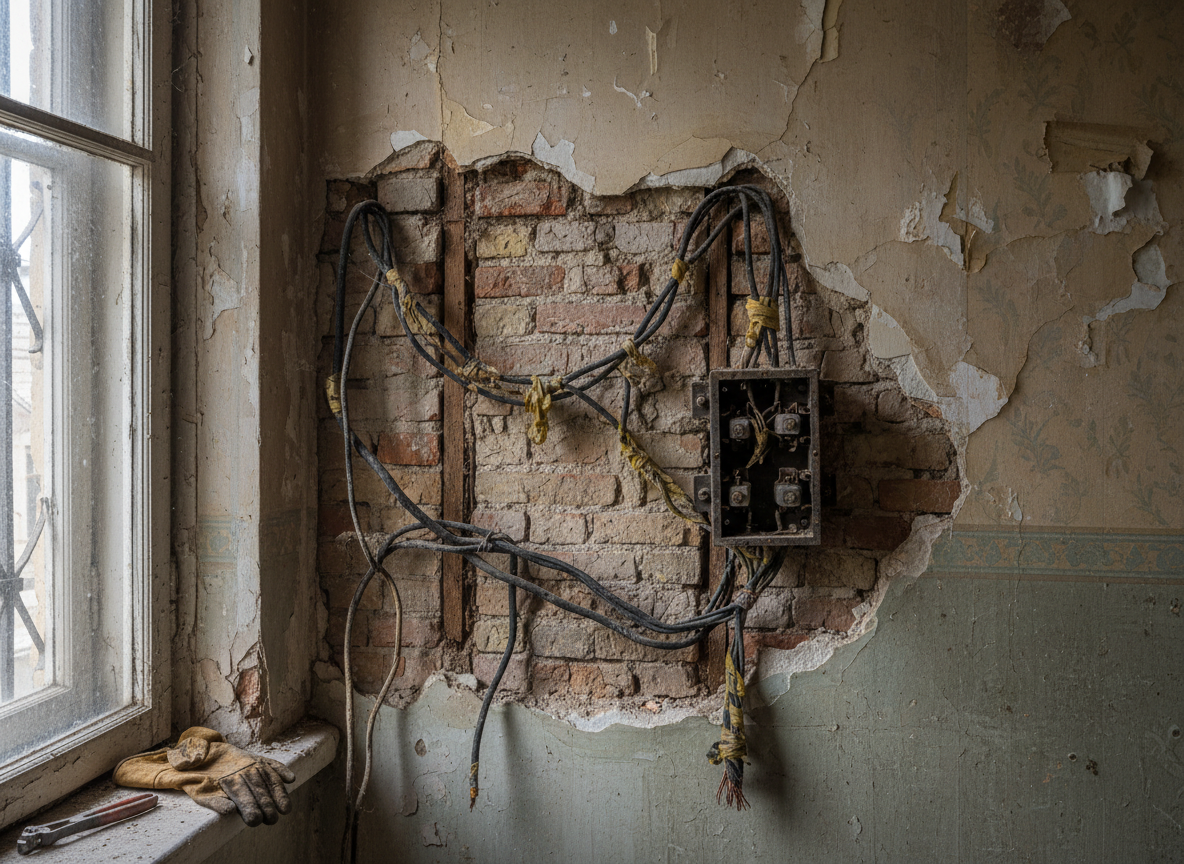
Outdated wiring in older Odessa residences built before 1970 typically appears as knob-and-tube systems or aluminum conductors from the 1960s and early 1970s. These installations predate modern grounding standards and struggle under the load of today's appliances, especially during humid subtropical summers when thunderstorms spike demand.
Recognizing Knob-and-Tube Wiring in Odessa Homes
Knob-and-tube wiring remains common in pre-1950 homes across Keystone and Eagle's Nest. Look for ceramic tubes where wires pass through joists and porcelain knobs securing runs along framing. This system lacks a ground wire, so outlets often show only two prongs. In Northdale properties from the same era, insulation on the rubber-coated conductors cracks from age and moisture, raising short-circuit risks when summer storms bring heavy rain. Homeowners notice flickering lights or warm outlet plates because the original 15-amp circuits cannot handle modern refrigerators or air conditioners. Replacing these runs usually requires fishing new cable through walls rather than surface mounting. Local terrain with sandy soil around Lake Keystone makes attic access easier but increases the chance of disturbing brittle wires during insulation upgrades. Checking the attic or basement for these visible components gives the clearest first indication before any testing begins.
Spotting Aluminum Wiring Installed in the 1960s and 1970s
Aluminum wiring appears frequently in Odessa homes constructed between 1965 and 1973, particularly in Northdale subdivisions. The material expands and contracts with temperature swings, loosening connections at outlets and switches over time. Signs include darkened or pitted terminals, outlets that feel warm to the touch, and a distinct metallic odor near panels during heavy use. Thunderstorms common in Hillsborough County add lightning-induced surges that accelerate oxidation on aluminum. Residents in Keystone often report breakers tripping more often on circuits serving kitchens or laundry rooms. Unlike copper, aluminum requires CO/ALR-rated devices or pigtail connections with copper wire to restore safe contact. Visual inspection of the service entrance cable and branch circuits inside the panel reveals the silver-colored conductors. Any home with this wiring benefits from a full evaluation before adding loads such as EV chargers or whole-house surge protection.
Checking the Electrical Panel for Outdated Components
The main panel in older Odessa residences often reveals the age of the wiring system. Panels with fuse boxes instead of breakers, or those labeled Federal Pacific or Zinsco, indicate wiring that predates current safety codes. In Eagle's Nest homes, these panels frequently sit in garages exposed to humidity, causing corrosion on bus bars. Count the number of circuits: homes with fewer than eight 15- or 20-amp breakers usually lack capacity for contemporary appliances. Look for double-tapped breakers or signs of overheating such as melted insulation near lugs. During summer months, when air conditioning runs continuously, overloaded panels trip repeatedly. Upgrading the panel allows integration of modern grounding and surge protection suited to the area's storm patterns. A licensed electrician can test for proper torque on connections and measure voltage drop on long runs common in spread-out Keystone lots.
Local Weather and Soil Effects on Wiring Longevity
Hillsborough County's humid subtropical climate shortens wiring lifespan through constant moisture cycling. Frequent summer thunderstorms drive humidity into attics and crawl spaces, corroding connections in aluminum and knob-and-tube systems faster than in drier regions. Sandy soils around Lake Keystone allow good drainage yet permit ground moisture to wick into foundation walls, affecting any wiring that drops below grade. Lightning strikes during storms create voltage spikes that stress insulation already weakened by 40–60 years of service. Homes in Northdale near Eleanor Hinman Preserve experience similar conditions because tree cover traps humidity. These factors make annual visual checks of exposed wiring and GFCI protection in wet areas essential. Preparing the electrical system before hurricane season further reduces risk when winds and rain combine with power fluctuations.
Knowing When Professional Assessment Becomes Necessary
Persistent warm outlets, recurring breaker trips, or burning smells signal the need for immediate inspection rather than continued DIY checks. In Odessa, where many residences date to the 1960s, combining wiring updates with panel upgrades restores capacity without repeated patchwork. Properties in Keystone often require new grounded outlets throughout once aluminum or knob-and-tube is identified. Scheduling service between 8am and 6pm weekdays allows full evaluation during daylight hours when attic access is safest. Addressing these issues early prevents larger failures during peak summer loads and keeps insurance requirements met for older homes.